
2026 Healthcare Cost Drivers and Their Impact
Healthcare costs have been growing at an alarming rate in recent years and they’re not slowing down. Surveys project that healthcare costs in the...
1 min read
Amanda Humphrey
:
May 19, 2025
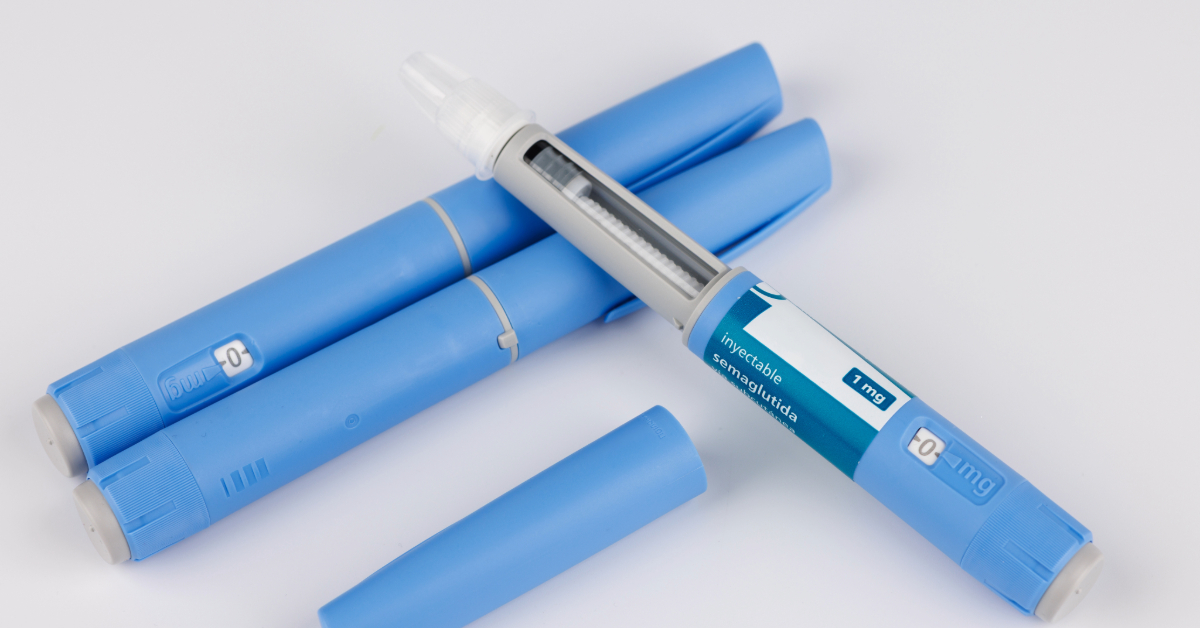
With U.S. healthcare costs projected to rise by up to 8% in 2025, employers are facing a new challenge: how to manage the growing cost of GLP-1 medications like Ozempic®, Wegovy® and Mounjaro®. Originally approved to treat Type 2 diabetes, these drugs are increasingly prescribed for weight loss — and they aren’t cheap.
A Per a Business Group on Health (BGH) survey , new data shows more than half of large employers say GLP-1s are “greatly” driving up health plan costs — and demand is rising fast. With over 100 similar drugs in development and more use cases emerging, from treating obesity to sleep apnea and heart disease, this trend isn’t slowing down anytime soon.
To control costs, employers are exploring options like:
requiring BMI thresholds and prior authorization;
pairing GLP-1 coverage with lifestyle or wellness programs;
adjusting cost-sharing arrangements; and
leveraging pharmacy savings programs.
The stakes are high. While these drugs can improve health outcomes, employers must weigh short-term costs against long-term benefits both for employee well-being and organizational sustainability.
Learn how GLP-1s are shaping 2025 benefit strategies and what your organization can do to prepare.
Healthcare costs have been growing at an alarming rate in recent years and they’re not slowing down. Surveys project that healthcare costs in the...
Did you know that global spending on prescription drugs will reach nearly $1.8 trillion by 2026? The United States alone will spend up to $715...

On Sept. 30, President Trump announced an agreement with Pfizer to offer lower prices on its drugs sold to the Medicaid program and directly to...